

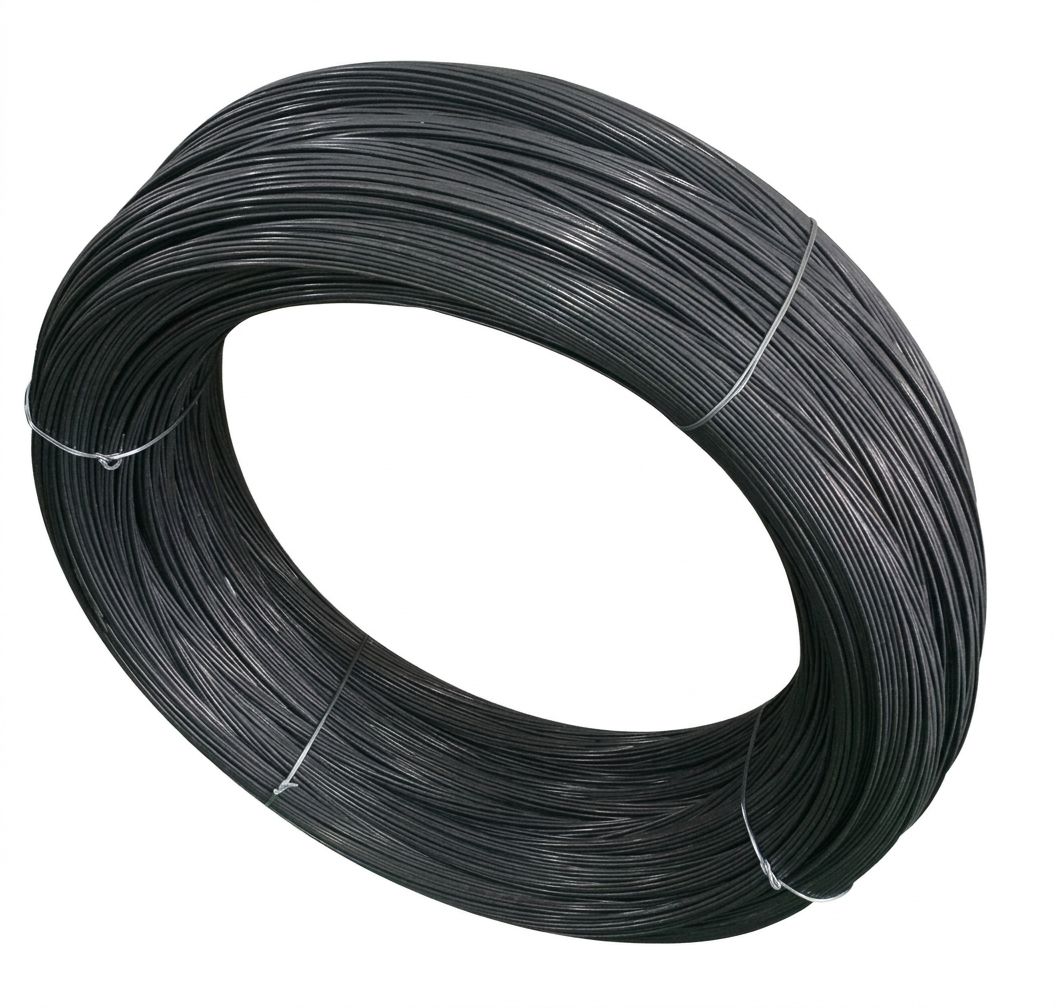
1. What does "annealed" actually mean, and why is it better?
Annealing is a heat-treatment process that alters the micro-structure of the steel. It makes the wire significantly softer, highly malleable, and ductile. Un-annealed wire is stiff and brittle; it will spring back or snap when twisted. Annealed wire twists cleanly and stays locked down.
2. Does the black coating protect against long-term corrosion?
The black oxide finish provides temporary rust protection while stored on site. Once the concrete is poured, the high alkaline environment of the concrete naturally protects the steel wire from rusting. For exposed or coastal structures, stainless steel tying wire is required.
3. Can this wire be used in automatic battery-powered tying tools?
No. Automatic hand-held tying guns require specialized, factory-spooled plastic reels. These coils are designed for manual fixing using a tying iron, nips, or manual twisting tools.
4. How soft is the 17g wire compared to the 16g?
The 17g wire has a slightly smaller diameter (1.4mm vs 1.6mm). Because it is thinner, it requires significantly less effort to twist and snap by hand, making it ideal for lighter mesh fabrics or prolonged overhead work.
5. How do I choose between 16g and 17g wire for my project?
Choose 16g (1.6mm) if you are working with heavy-duty structural rebar cages, columns, or thick ground beams where maximum holding strength is required to prevent the steel from shifting during high-pressure concrete pumping. Choose 17g (1.4mm) for standard mesh fabrics, lighter reinforcing, or high-speed installations where reducing physical strain on the installer's wrists is the top priority.
All our products are dispatched from the United Kingdom. US delivery typically takes 3 to 5 business days, with duties and taxes included at checkout. For custom-made or made-to-order items, delivery times may vary, and any exceptions will be clearly indicated during the checkout process.