


1. Why use 16mm bars instead of 12mm or 20mm?
A: 16mm is the industry "workhorse" size, providing excellent shear capacity for standard industrial floors (150mm–200mm thick) without the excessive weight and cost of larger bars.
2. Are these bars galvanised?
These are standard "self-colour" mild steel bars. If your project is in a highly corrosive environment (like a coastal area or chemical plant), please contact us regarding galvanised or stainless steel options.
3. Can I use these as standard reinforcement rebar?
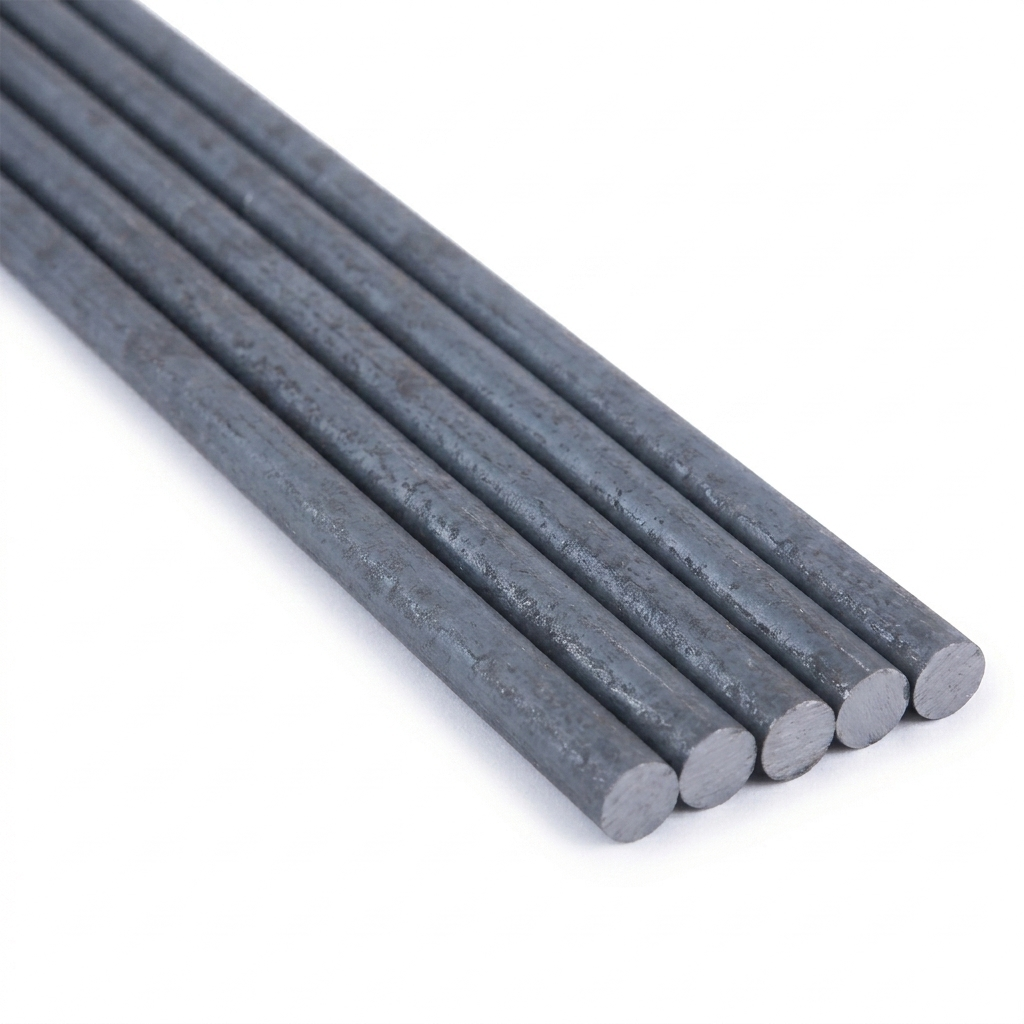
A: While they are made of steel, these are smooth bars designed for movement joints. Standard reinforcement rebar is "ribbed" to bond with the concrete. Dowel bars are intentionally smooth to allow for sliding movement.
4. Do you supply the dowel sleeves to match?
Yes, we recommend using COCUS 16mm Plastic Dowel Sleeves for the most efficient installation, ensuring the "free end" of the bar has room to move as the concrete expands.
5. What is the benefit of using a smooth dowel bar versus a ribbed rebar in a joint?
Using a smooth bar is critical for the "sliding" mechanism of a movement joint. Ribbed rebar is designed to grip and bond permanently with the concrete; if used in a joint, it would lock the two slabs together. This prevents the concrete from naturally expanding and contracting, which inevitably leads to stress cracks and structural failure. The smooth surface of our 16mm dowel bar, especially when combined with a debonding agent, ensures the slabs can move independently while still transferring heavy loads vertically.
All our products are dispatched from the United Kingdom. US delivery typically takes 3 to 5 business days, with duties and taxes included at checkout. For custom-made or made-to-order items, delivery times may vary, and any exceptions will be clearly indicated during the checkout process.